Source Electrolytic Copper Nanopowder for catalysts, sensors, and electronics
Find 30 listings for Electrolytic Copper Nanopowder from verified Chinese manufacturers. Buyers can compare particle sizes, purity levels, and applications such as catalysis, sensors, and conductivity additives.
Key considerations
Products List
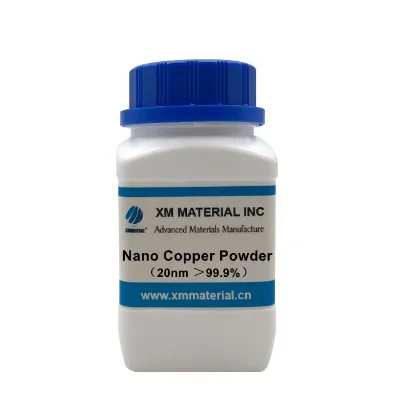
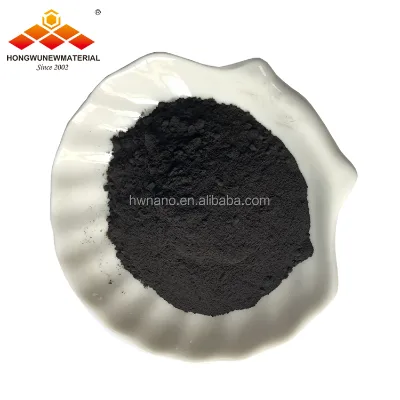
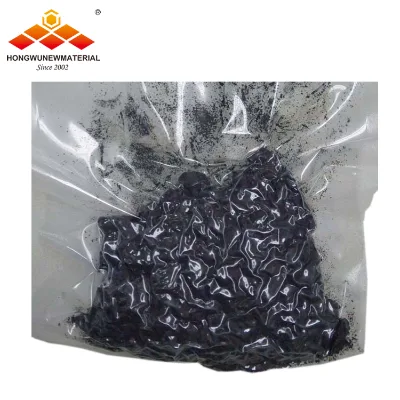
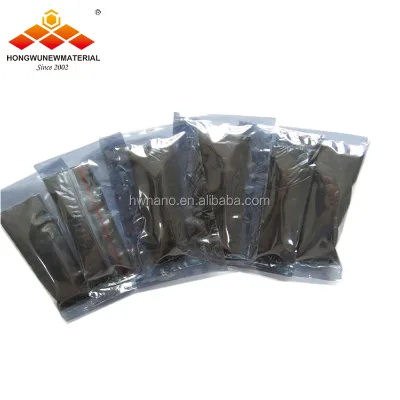


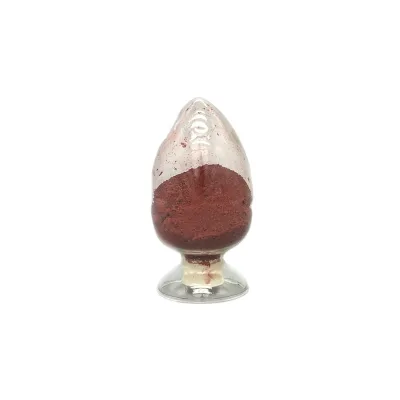
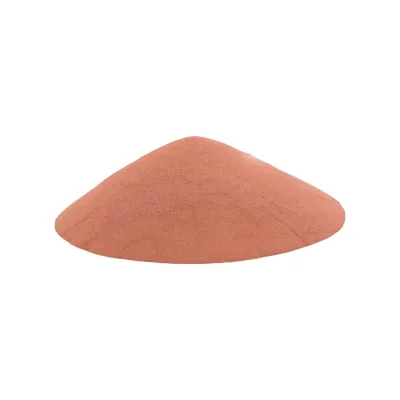
Comprehensive Sourcing Guide
Strategic Sourcing Guide for Electrolytic Copper Nanopowder
Understanding the Technical Landscape of Copper Nanomaterials
When initiating a procurement strategy for Electrolytic Copper Nanopowder, the primary objective is to align specific material attributes with the intended application's performance requirements. The market offers a diverse array of copper-based nanomaterials, ranging from pure elemental copper to various copper oxides and alloys. A critical distinction must be made between pure copper powders and copper oxide formulations, as their chemical reactivity and electrical properties differ significantly.
In the current supply landscape, product listings frequently cite specific particle size ranges that define the "nano" classification. Buyers should expect to encounter specifications such as 20nm, 50nm, 100nm, and extending up to 200nm. The particle size distribution is not merely a number but a determinant of surface area, which directly influences catalytic activity, sintering temperature, and conductivity in composite materials. For instance, some suppliers offer a range of 20nm to 100nm, while others provide finer distinctions like 20nm, 40nm, 70nm, and 100nm. The shape of the particles is equally critical; spherical particles are often preferred for high-density packing in conductive inks, whereas flake, dendritic, or near-spherical shapes may be specified for specific lubrication or reinforcement applications.
Purity is another non-negotiable technical parameter. While some product descriptions indicate a purity level of 99%, other high-grade specifications claim purity exceeding 99.9%. The presence of residual oxygen or other impurities can drastically alter the electrical conductivity and oxidation resistance of the final product. Therefore, the buyer must verify the exact purity percentage required for their specific process. Additionally, the classification of the material is vital; while the core keyword is "electrolytic copper," some listings may describe the product as "copper oxide" or "cupric oxide" with a molecular formula of CuO. This distinction is fundamental because copper oxide is a semiconductor, whereas pure copper is a conductor. Misidentification in the ordering process can lead to catastrophic failures in electronic or catalytic applications.
Compliance, Certification, and Regulatory Verification
Navigating the regulatory landscape for nanomaterials requires a rigorous approach to certification and standard verification. In the global supply chain, particularly for materials originating from major manufacturing hubs in China, such as Shanghai and Jiangsu, buyers must demand clear documentation regarding the grade standard. Products are often categorized into "Electron Grade" or "Industrial Grade," each serving different quality thresholds. Electron Grade materials typically undergo more stringent purification processes to meet the tight tolerances required for semiconductor and high-end electronic applications.
Certification status is a primary indicator of a supplier's commitment to quality management systems. The ISO 9001 standard is frequently cited in product listings as a baseline for quality assurance. However, buyers should not accept the mere mention of this certification as a guarantee of product safety or consistency. Instead, the procurement team must request valid, current certificates and verify the scope of the certification to ensure it covers the specific manufacturing processes for the nanopowder in question. Furthermore, specific chemical identifiers are essential for regulatory compliance. The CAS (Chemical Abstracts Service) number serves as a unique fingerprint for the substance. For pure copper, the CAS number is 7440-50-8, while copper(II) oxide is identified by 1317-38-0. Ensuring the correct CAS number is on the certificate of analysis (CoA) prevents the receipt of the wrong chemical compound.
For international trade, the EINECS (European Inventory of Existing Commercial Chemical Substances) number is another critical data point. A listing for copper oxide might reference EINECS No. 215-269-1. Buyers must cross-reference these numbers with local regulatory bodies to ensure the material is compliant with import regulations in their destination country. Additionally, the "Grade Standard" should be explicitly defined in the contract. Whether the material is intended for industrial use or high-performance electronics, the contract must specify the required grade to avoid ambiguity. The absence of a defined grade standard is a significant red flag that warrants further due diligence before placing an order.
Cost Drivers and Pricing Structure Analysis
The pricing of copper nanopowder is influenced by a complex matrix of factors, including particle size, purity, surface treatment, and order volume. The observed market data reveals a substantial price variance, with unit costs ranging from approximately $0.93 to over $1,500. This wide spectrum is not indicative of market instability but rather reflects the vast differences in product specifications and packaging. Smaller particle sizes, such as 20nm, generally command a higher price per kilogram compared to larger micron or submicron particles due to the more energy-intensive synthesis processes required.
Minimum Order Quantity (MOQ) is another pivotal cost driver. Suppliers often set MOQs ranging from 1 unit to 100 units. For research and development purposes, suppliers may offer single-item sales, allowing for small-scale testing. However, for commercial production, the economics shift significantly. Larger orders often unlock better pricing tiers, but the buyer must balance this against inventory holding costs and the shelf-life stability of the nanomaterial. The "Selling Units" designation, often listed as "Single item," suggests that the base price may be calculated per gram or per small vial, which can inflate the effective cost per kilogram if not converted correctly.
Surface coating and customization are significant value-adds that impact the final price. Some suppliers offer customized surface coatings to prevent agglomeration or to enhance compatibility with polymer matrices. These customizations require additional processing steps and quality control, thereby increasing the unit cost. Furthermore, the packaging method, such as double antistatic bags, adds to the cost but is essential for maintaining the integrity of the powder during transit. Buyers should request a detailed breakdown of the price, distinguishing between the raw material cost, processing fees, and packaging charges. Understanding these components allows for more accurate budgeting and negotiation.
Typical Applications and Performance Requirements
The versatility of copper nanopowder makes it a critical component across multiple high-tech industries. The primary applications can be categorized into electronic, catalytic, and functional additive sectors. In the electronics industry, the high conductivity of pure copper nanoparticles is leveraged to create conductive inks and pastes for printed electronics, flexible circuits, and RFID tags. The particle size and shape directly influence the sintering temperature and the final conductivity of the printed trace. For these applications, spherical particles with high purity are often preferred to ensure low resistance and high density.
In the catalytic sector, the high surface-area-to-volume ratio of copper nanoparticles makes them effective catalysts for various chemical reactions. Listings often explicitly mention "catalysis" as a primary application. The specific morphology, such as dendritic or near-spherical shapes, can be tuned to maximize active sites for the reaction. Additionally, copper oxide nanoparticles are utilized in catalytic converters and chemical synthesis processes where their redox properties are essential.
Beyond electronics and catalysis, copper nanopowder serves as a functional additive in lubricants, antibacterial agents, and thermal interface materials. The "lubricating" application benefits from the ability of nanoparticles to fill surface asperities, reducing friction. In the antibacterial domain, the release of copper ions from the powder provides antimicrobial properties, useful in coatings and medical devices. The "antibacterial" and "conductivity" applications listed in product descriptions highlight the dual functionality of these materials. Buyers must ensure that the selected product matches the specific performance criteria of their application, as a powder optimized for catalysis may not possess the necessary rheological properties for conductive ink formulation.
Supplier Evaluation and Quality Control Protocols
Selecting a reliable supplier for copper nanopowder requires a multi-faceted evaluation strategy that goes beyond price comparison. The "Type" of supplier, whether a manufacturer or a trader, is a key indicator of supply chain stability. Manufacturers often have better control over the production process and can offer more consistent quality and customization options. The "Brand Name" and "Brand since" date can provide insight into the supplier's experience and market reputation. For example, suppliers established since 2002 may have more refined processes than newer entrants.
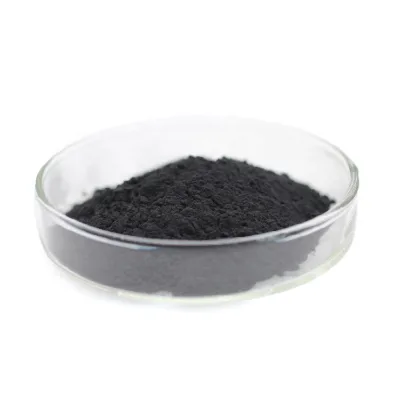
Quality control is paramount when dealing with nanomaterials. Buyers should insist on a comprehensive Certificate of Analysis (CoA) for every batch. This document should verify the CAS number, purity, particle size distribution, and morphology. The "Appearance" of the powder, whether described as "black powder," "brownish black," or simply "powder," should be consistent with the expected physical properties of the specific copper compound. Discrepancies in color or texture can indicate contamination or incorrect chemical composition.
Furthermore, the "Place of Origin" should be verified. Major manufacturing hubs like Shanghai and Jiangsu are known for their advanced nanotechnology capabilities, but buyers should confirm the specific facility and its quality management systems. The "Single gross weight" and "Single package size" details are also useful for logistics planning and ensuring that the packaging is robust enough to prevent leakage or contamination. A reliable supplier will provide clear information on the "Surface coating" options and the "Customized type" capabilities, allowing the buyer to tailor the product to their specific needs.
Long-Term Procurement and Supply Chain Resilience
Establishing a long-term procurement relationship for copper nanopowder involves more than just securing a single order. It requires a strategic approach to supply chain resilience and continuous quality assurance. The "Model Number" of the product, such as XM-Cu-020 or J622, serves as a unique identifier that should be consistently referenced in all future orders to ensure product continuity. Any deviation in the model number or specifications should be treated as a potential change in the product formulation, requiring re-validation.
Buyers should also consider the "Other Names" and "MF" (Molecular Formula) to ensure consistency across different suppliers or product lines. For instance, "cupric oxide nano" and "copper(II) oxide nanopowder" refer to the same chemical entity, but the terminology used in the supplier's documentation must align with the buyer's internal specifications. The "Alloy Or Not" status is another critical long-term consideration. While pure copper is the standard for many applications, some projects may require copper-zinc alloys, such as those with a Cu:Zn ratio of 65:35. Clear communication of alloy requirements is essential to avoid receiving the wrong material.
Finally, the "Size grade" classification, ranging from nano to submicron and micron, should be reviewed periodically to ensure it remains aligned with the buyer's evolving technology needs. As applications advance, the demand for finer particle sizes or specific morphologies may increase. A proactive supplier relationship allows for early notification of new product developments or process improvements that could benefit the buyer. By maintaining a rigorous documentation trail and fostering open communication with suppliers, buyers can ensure a stable and high-quality supply of copper nanopowder for their long-term projects.
Comparative Analysis of Product Specifications
To facilitate informed decision-making, the following table summarizes key specifications observed in the market for copper-based nanomaterials. This comparison highlights the diversity in product attributes and underscores the importance of precise specification matching.
| Attribute | Product A (Pure Copper) | Product B (Copper Oxide) | Product C (Alloy) |
|---|---|---|---|
| Product Name | Nano Copper Powder | Copper(II) Oxide Nanopowder | Copper Zinc Nanoparticle |
| CAS No. | 7440-50-8 | 1317-38-0 | Inquiry |
| Purity | >99.9% / 99% | Not specified | Not specified |
| Particle Size | 20nm, 50nm, 100nm | 30-50nm | 20nm, 40nm, 70nm, 100nm, 200nm |
| Shape | Spherical | Not specified | Flake, dendritic, near-spherical |
| Grade Standard | Electron Grade, Industrial Grade | Industrial Grade | Not specified |
| Appearance | Powder | Brownish black | Black powder |
| Primary Application | Conductivity, Electronic | Catalysis, Sensor | Lubricating, Additive |
| Model Number | XM-Cu-020 | J622 | H308 |
| Place of Origin | Shanghai, China | Jiangsu, China | China |
This table illustrates that while all products fall under the broad category of copper nanomaterials, their specific properties vary significantly. Buyers must carefully match these attributes to their application requirements to ensure optimal performance and avoid costly errors.
FAQs
What purity levels are available for Electrolytic Copper Nanopowder?
Purity levels range from 99% to over 99.9% depending on the specific grade. Buyers must verify the exact percentage required for their application, as higher purity ensures better electrical conductivity and reduces oxidation risks in sensitive electronic processes.
Which particle sizes are offered for copper nanopowder products?
Available particle sizes include 20nm, 40nm, 50nm, 70nm, 100nm, and 200nm. The selection depends on the intended use, as smaller particles provide higher surface area for catalysis while larger sizes may suit specific lubrication or additive applications.
Can I find copper nanopowder with ISO 9001 certification?
Yes, some manufacturers offer products certified under ISO 9001 standards. Buyers should request valid, current certificates to verify that the quality management system covers the specific nanopowder manufacturing processes before placing an order.
How does the shape of copper nanoparticles affect performance?
Particle shapes vary from spherical to flake, dendritic, or near-spherical forms. Spherical particles are preferred for high-density packing in conductive inks, while other shapes may be optimized for specific catalytic or reinforcement applications.
What is the typical minimum order quantity for these powders?
Minimum order quantities range from 1 unit for single-item sales to 100 units for bulk orders. Research projects may access single units, while commercial production requires larger volumes to achieve better pricing tiers and logistical efficiency.
Where are the main manufacturing locations for this material?
Primary production locations include Shanghai and Jiangsu in China. These regions are established hubs for nanotechnology, offering advanced manufacturing capabilities and a range of suppliers for both industrial and electron grade materials.